Nina Overgaard Therkildsen
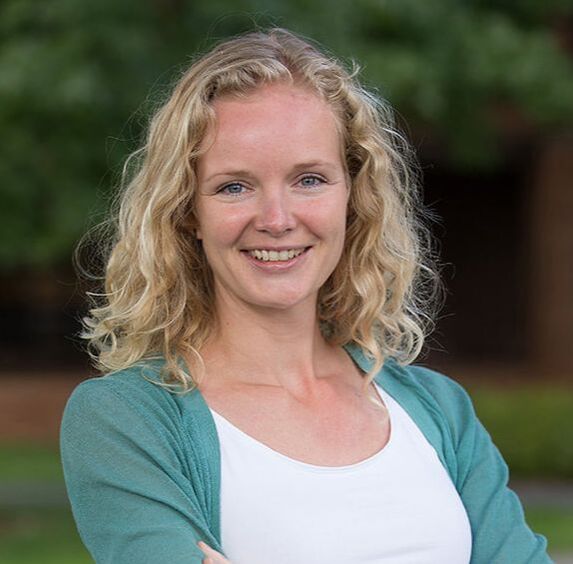
Principal Investigator
Nina is head of the lab. She is interested in using cost-effective full-genome screening with time series data to observe recent dynamics and microevolution in retrospective “real time”. She is also keenly interested in exploring ways to leverage genomic analysis for sustainable fisheries management and conservation.
Current Members
Jaime Ortiz Pachar ⮊
Postdoc
Jaime currently studies sea cucumber conservation genomics in the Galapgos. He is very passionate about conservation of the natural environment and strongly believes that genetic tools can play a more prominent role in driving sustainable policies around the world.
Kara Jones ⮊
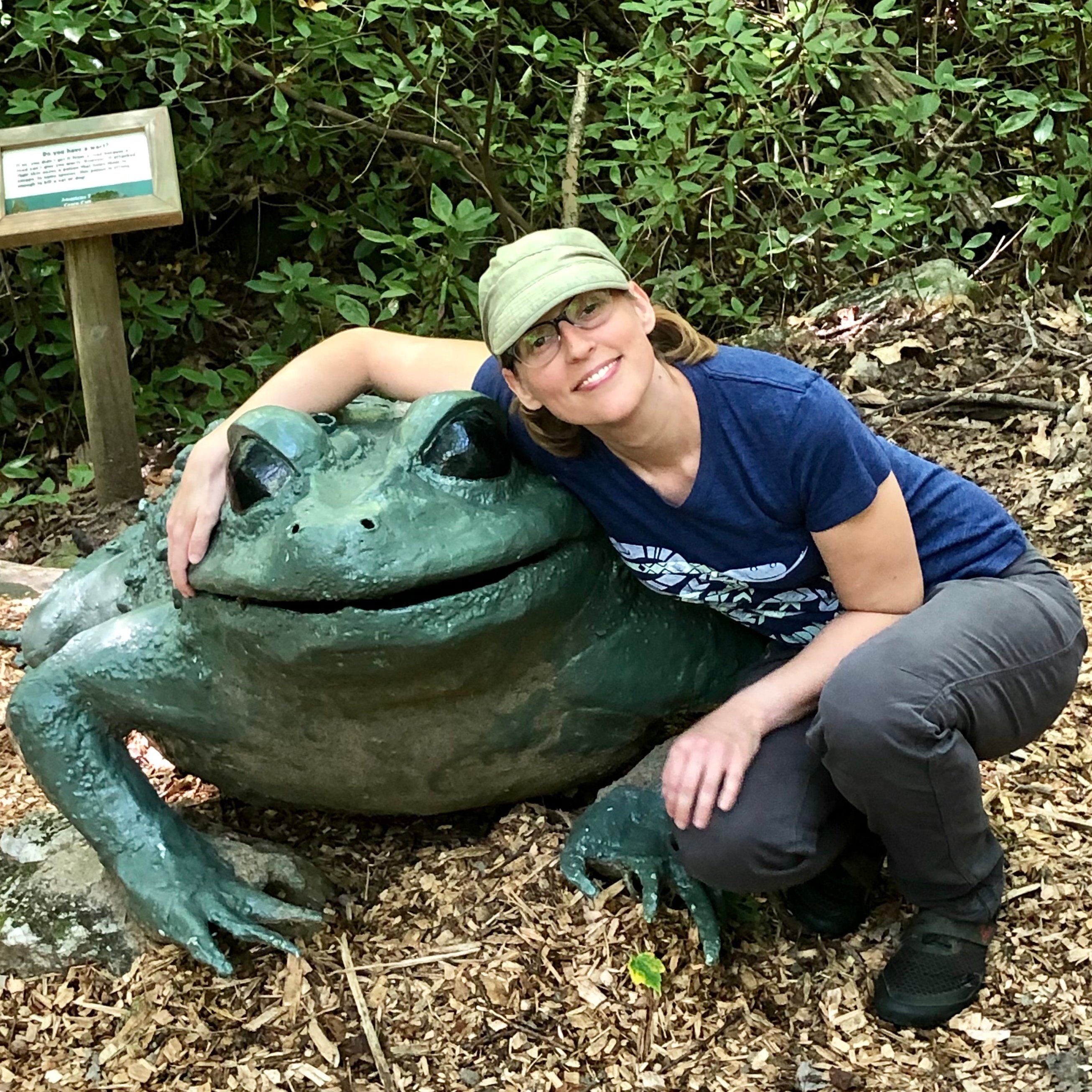
Postdoc
Kara’s background is in amphibian/reptile phylogenetics, population genetics, and phylogeography. She currently uses metagenomics to identify zooplankton and cyanobacteria from eDNA, and developing an epigenetic age prediction model for sturgeon.
Pavel Dimens ⮊
Postdoc
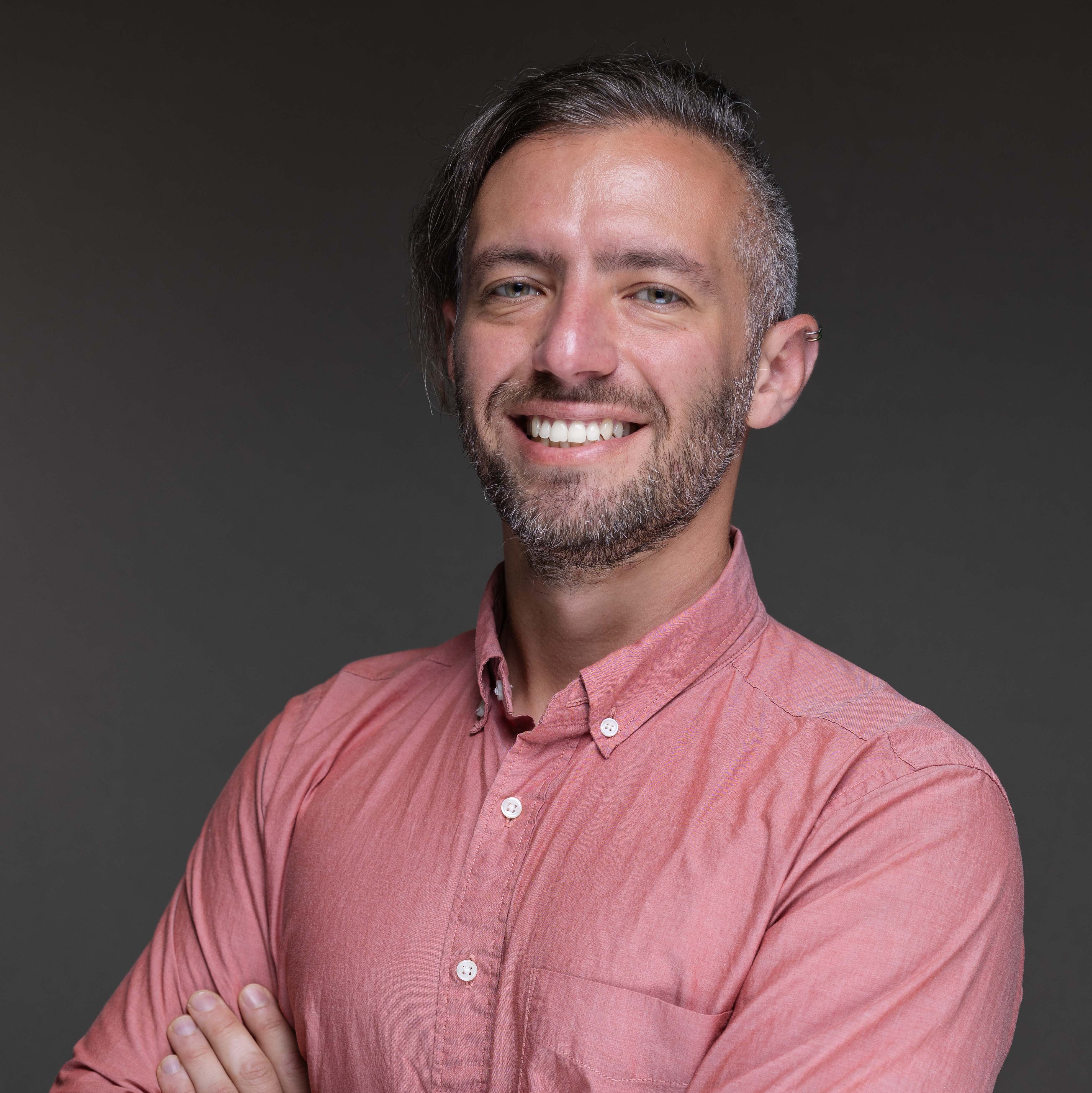
Pavel is interested in how fish movement over evolutionary time impacts and informs conservation genetics. His experience has been in highly migratory fishes in marine systems (sharks, tunas) and he has turned his attention to the anadromous American shad. He wrote the linked-read software Harpy, Djinn, Mimick, took over Lariat and rebranded it Arachne, and seems to generally name things after monsters now. Pavel currently works as a postdoc in the EGCF with Nick (Locatelli, below), but Nina won't let him move this blurb to the alumni section yet.
Azwad Iqbal ⮊
PhD Candidate
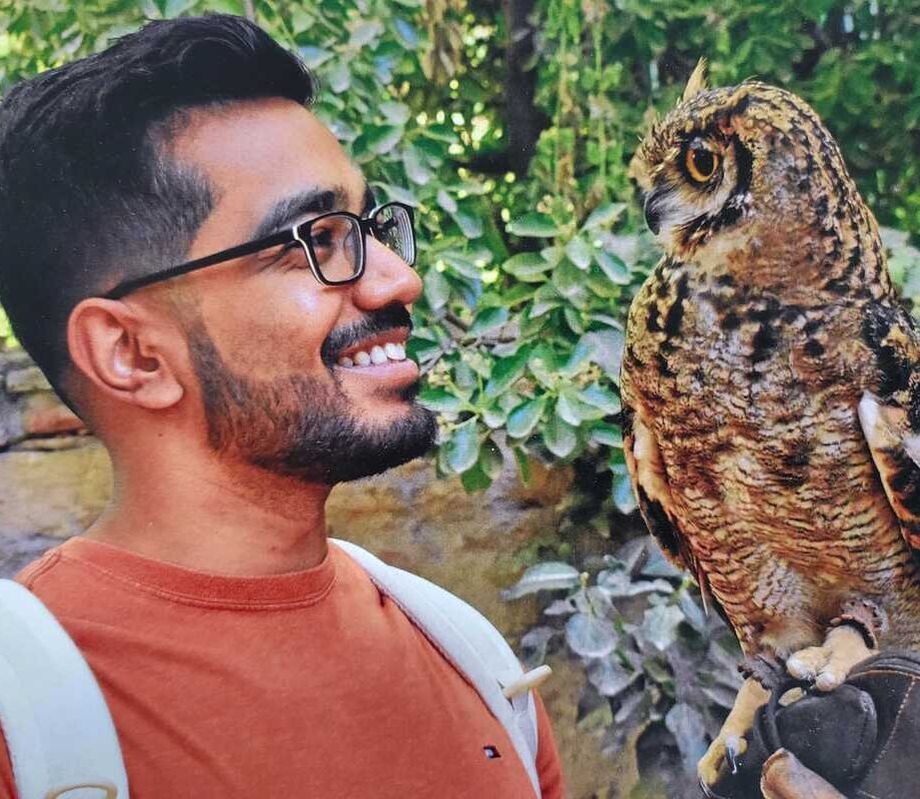
Azwad is interested in evolutionary genomics and conservation, with particular focus on invasive species and rapid evolution. His experience spans molecular ecology and disease vector neurogenetics, working in African savannas and with mosquitoes. His PhD research uses population genomics to understand the rapid adaptation of invasive American shad to new habitats on the Pacific coast of North America.
Charlie Kortleven ⮊
PhD Student
Charlie hails from Venice, California and spent her childhood in and around the ocean, developing a desire to conserve its magnificent biodiversity. Charlie's undergraduate research experiences shaped her interest in pursuing conservation work at the nexus of bioinformatics, molecular ecology, and evolution. She will investigate the genetic basis of migratory behaviors in shortnose sturgeon (Acipenser brevirostrum), an endangered species in the Hudson River.
Heath Cook
PhD Candidate
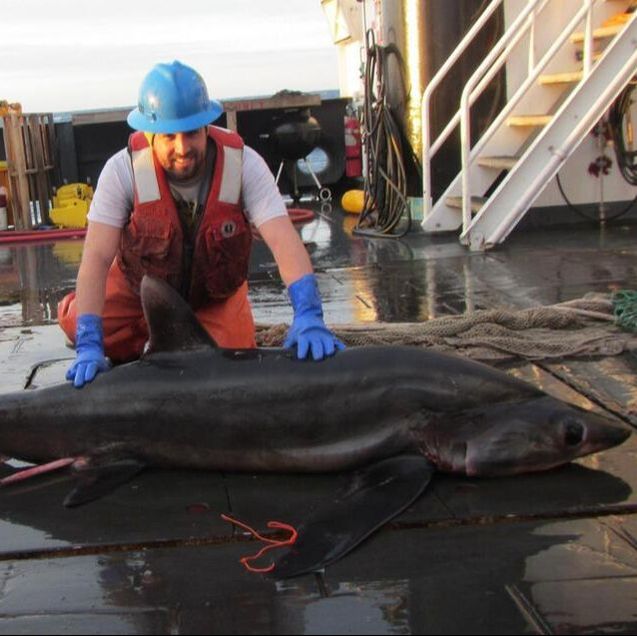
Heath is interested in marine biomonitoring and developing methods to overcome the difficulties in sampling biodiversity in regions of the world with reduced research infrastructure. He is currently investigating environmental DNA (eDNA) metabarcoding in marine systems as a tool for the detection of continental shelf biodiversity.
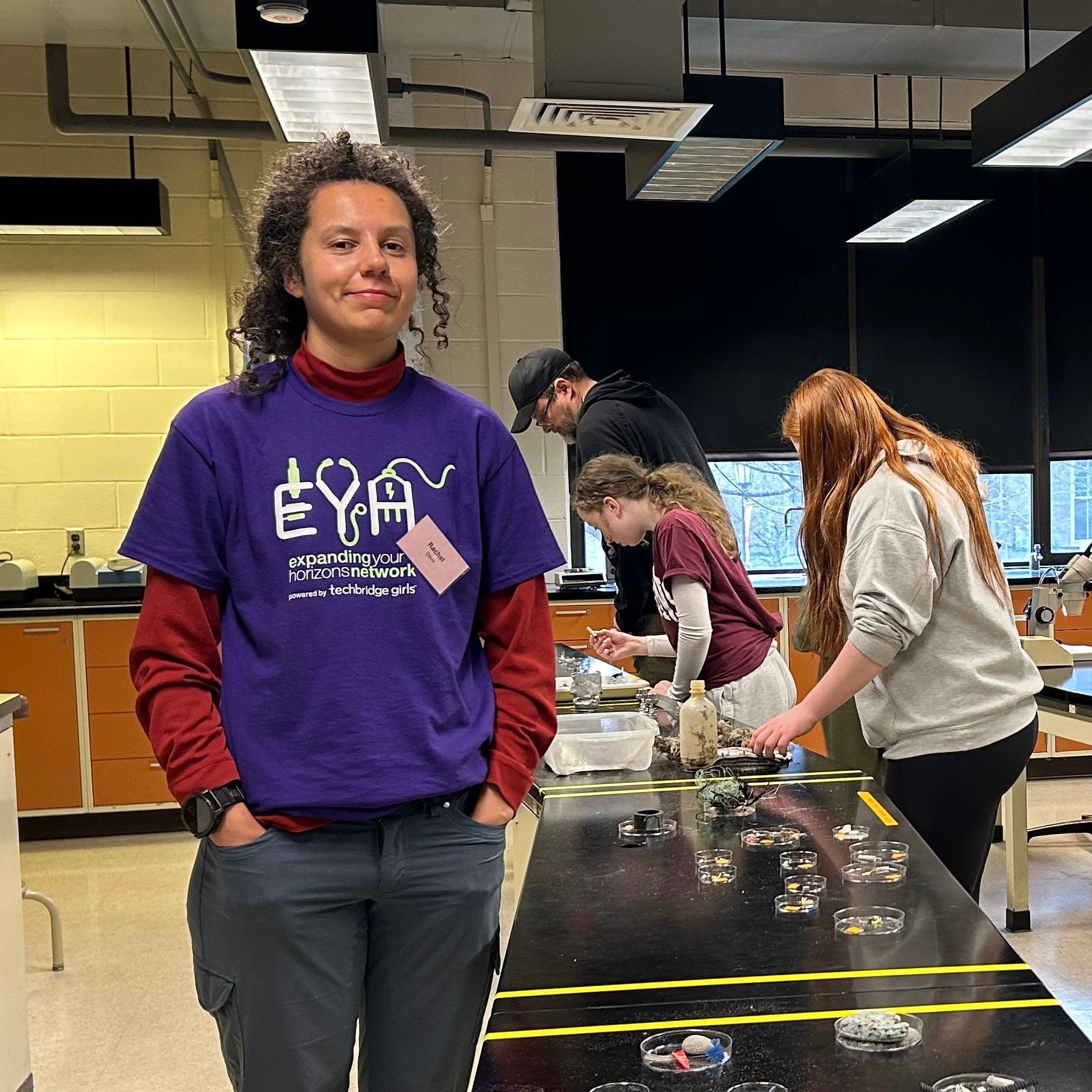
Rachel Davis ⮊
PhD Student
Rachel joined the lab as a PhD rotation student in the College of Veterinary Medicine. Her research focuses on identifying river-level population structures in Atlantic striped bass using lcWGS. Now based at the Baker Institute for Animal Health, she continues to collaborate with us as a Cornell K. Lisa Yang Wildlife Health Fellow. Rachel is a member of the lab in all but name.
Yuqing Chen ⮊
PhD Candidate
Yuqing interested in evolution, molecular ecology, and conservation. She studies gene flow from domesticated (farmed) eastern oysters into wild populations using genomics. While Yuqing is technically in Matthew Hares lab, we consider her one of our own.
Lab Alumni
Anita Michalak ⮊
Undergrad Technician
Anita is a wildlife biologist with an interest in conservation genomics and applied conservation and management. Anita moved on to become a graduate student at the University of Calgary.
Anna Tigano ⮊
Postdoc
Anna uses a combination of genomic approaches, including population and comparative genomics, bioinformatics, and research in the field and the lab to address what the genomic and physiological basis of adaptive traits is, how adaptive traits evolve and are maintained in a population, and the relative roles of structural variation and genome structure in adaptation.
Arne Jacobs ⮊
Postdoc
Arne focuses on using population genomic and functional genomic approaches for understanding the natural history, genetic basis and evolutionary history underlying the biodiversity we can see observe everywhere.During his time at Cornell, Arne worked on the population genomics of local adaptation and counter-gradient selection in Atlantic silversides.
Aryn Wilder ⮊
Postdoc
Aryn wants to understand the genomic characteristics that influence the adaptive potential of populations for the conservation of the planet’s biodiversity. During her time in Cornell University, Aryn studied local adaptation and rapid adaptation of fish in response to fisheries.
Carl St. John ⮊
PhD Student
Carl is interested in the evolutionary genetics of trait variation and applying this interest to aid conservation and management of polar and temperate fisheries. He has worked in the North Pacific, Bering Sea, Southeast Alaska, and Lake Baikal studying fisheries ranging from Sea Cucumbers to Oilfish. His PhD research centered around species delimitation and genetic mechanisms underlying spawning variation in New York's only endemic fish: the Summer Sucker.
Diana Baetscher ⮊
Postdoc
Diana was a postdoc with Nina and Pete McIntyre, applying DNA metabarcoding to identify which of the oceans’ wild fish stocks are sources for aquaculture feeds. She is now a research geneticist at NOAA’s Alaska Fisheries Science Center Auke Bay Laboratories (ABL) in Juneau, Alaska, using lcWGS to study the population structure and local adaptation of marine fishes.
Emily Chei
Undergrad Technician
Emily is focused on anthropogenic effects on reef resilience and bleaching tolerance. Using stable isotope analysis, she studies how symbiosis is affected by nutrient pollution from wastewater effluent and land use in coastal cities.
Emma Arboleda
Undergraduate Technician
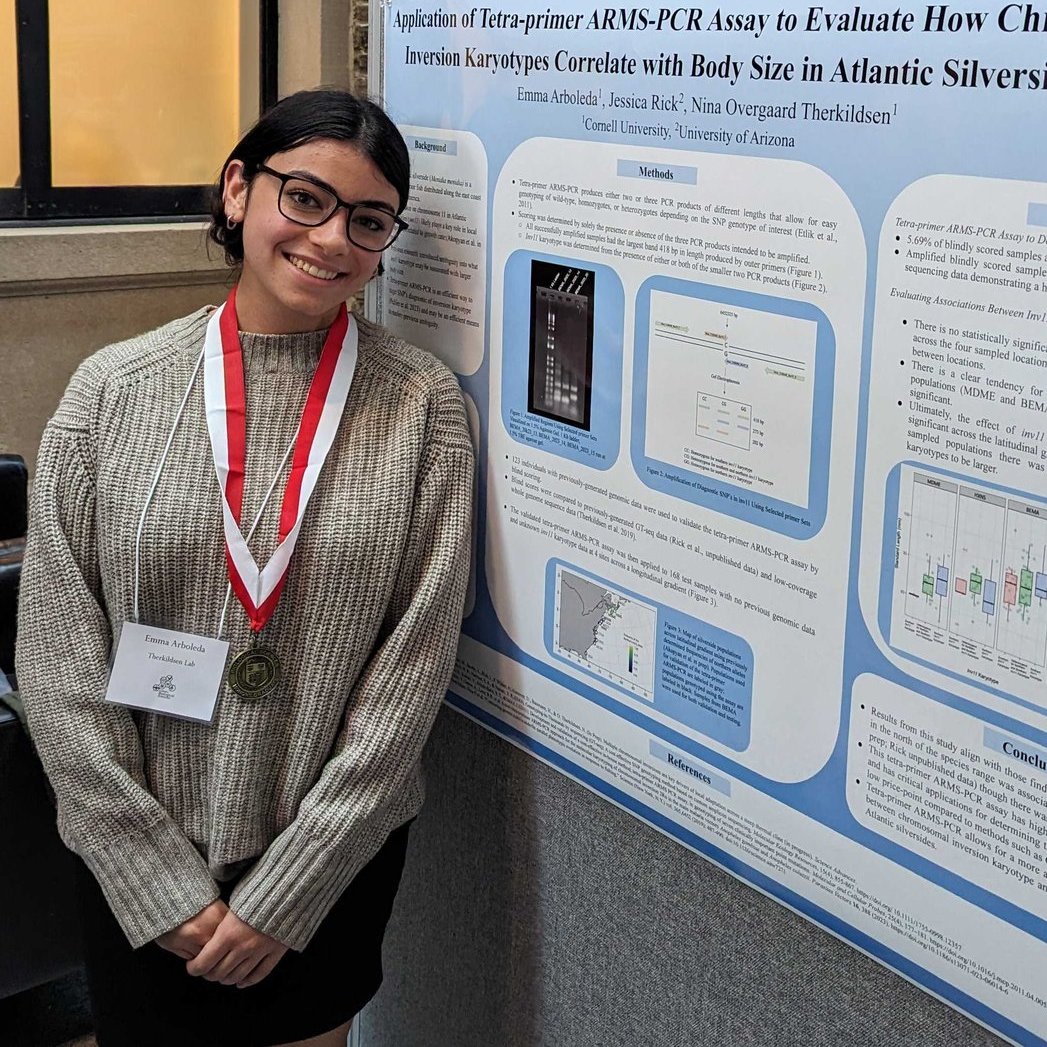
Emma did an undergraduate thesis in the lab comparing inversion karyotypes of chromosomal inversions on Atlantic Silversides. She graduated magna cum laude with honors in 6 semesters with a concentration in general biology.
Harmony Borchardt-Wier
Lab Manager
Harmony has been wrangling oysters in Matt Hare’s lab since 2008 and figuring out fish in Nina Therkildsen’s lab since 2016. She excels at being skeptical that her tubes of clear and colorless liquid contain DNA, extracting DNA from hard-to-reach places, and fighting with her computer to beat it into submission. She makes a mean plate diagram.
Jessi Rick ⮊
Postdoc
While working with Nina, Jessi primarily studied Atlantic Silversides. After her post-doc, she became an Assistant Professor in the Wildlife Conservation and Management program in the University of Arizona.
Jonathan Velotta ⮊
Postdoc
John is an evolutionary ecologist studying how animals adapt to their environment, blending evolution with physiology and genomics. The Velotta Lab is based at the University of Denver, Colorado.
Liam Zarri ⮊
PhD Student
Liam studied the impact of rapid evolution on ecological processes in applied systems. His professional experience spans coastal streams, large rivers, lakes, intertidal marine systems, and kelp forests. His PhD research at Cornell focused on two projects: (1) parallel rapid genomic evolution of smallmouth bass in response to harvest, and (2) the evolutionary impact of dams.
Maria Akopyan ⮊
PhD Student
Maria was co-advised by Nina and Kelly Zamudio, where she combined population genomics, comparative linkage mapping, and quantitative trait loci mapping, Maria discovered that multiple locally adapted traits map to genomic regions that are highly differentiated between populations and overlap with multiple massive segregating chromosomal inversions. She did this through a large study on Atlantic Silversides that was recently published in Science! https://doi.org/10.1126/science.ady6774
Naoko Kurata
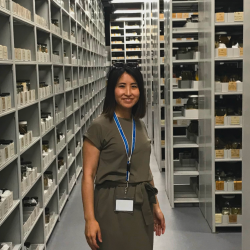
Postdoc
Naoko integrates her profound respect for aquatic ecosystems into innovative research at the intersection of genomics and conservation. At Cornell University, Naoko led the development of a strategy to incorporate DNA-based ingredient tracing into the next generation of aquaculture feed sustainability certifications.
Nick Locatelli ⮊
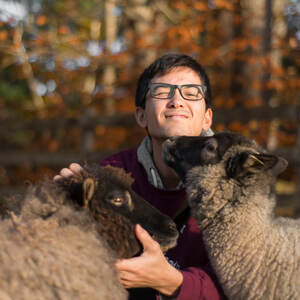
Technician
Nick is broadly interested in the conservation of aquatic organisms using genetic data. He has previously focused on the development and application of genomic resources for Caribbean corals. He's returned to Cornell as a postdoc working with Pete McIntyre, using environmental DNA (eDNA) to understand how aquatic communities in the Adirondack Park are changing in response to anthropogenic stressors.
Runyang 'Nicolas' Lou
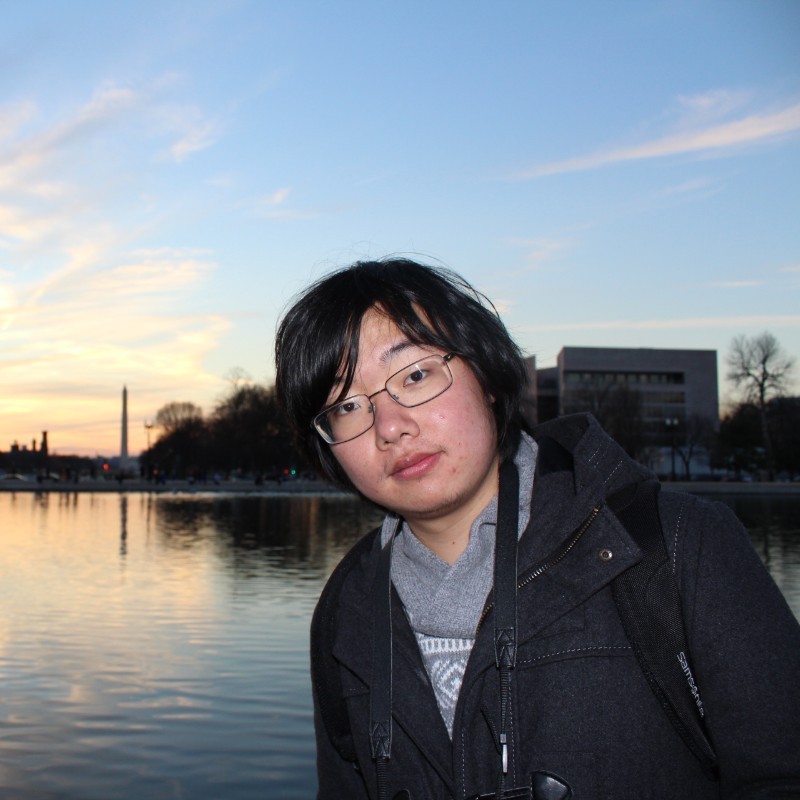
PhD Student
Nicolas is broadly interested in the application of genomic tools in the conservation and management of biodiversity. He studied the genomic basis of local adaption in the Atlantic cod, as well as the molecular mechanisms underlying its rapid evolution in response to size-selective fishing and climate change. He also created loco-pipe, the go-to tool for processing lcWGS data.
Ryan Franckowiak
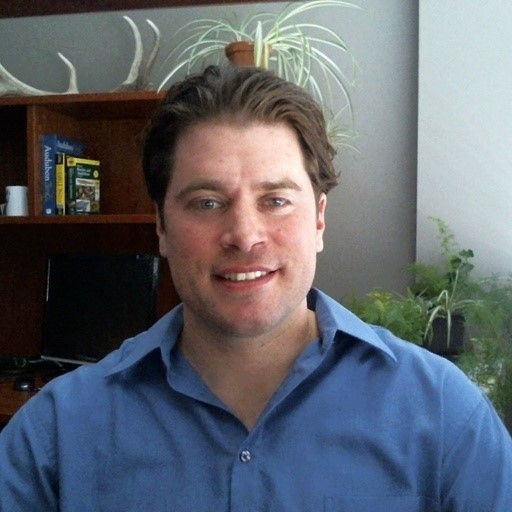
Postdoc
Ryan is interested in investigating innovative approaches for improving salmon production efficiency, fish health & wellness, and RAS system performance. During his time at Cornell, Ryan worked on a GTseq project involving American Shad.
Áki Jarl Láruson ⮊
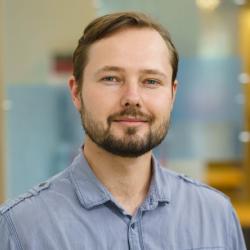
Postdoc
Áki is an evolutionary biologist who focuses on question of adaptation in the sea. His research interests generally relate to molecular evolution, especially in the context of marine ecology. In the Therkildsen lab he workied on the role of genomic architecture in local adaptation in Atlantic silversides, as well as the implementation of haplotagged sequence data to the American Shad.